Lawn Mowing in Erith

Lawn mowing in Erith should keep gardens tidy, usable and easy to look after through the growing season. Our service focuses on regular cutting, careful edging and sensible presentation for domestic and small commercial outdoor spaces. The aim is straightforward: maintain grass at a healthy height, keep borders neat and make the lawn feel managed rather than neglected. If you are looking for a practical, reliable approach to ongoing grass care, this page sets out the main mowing work we provide and the options that can be built around it.
We handle routine grass cutting as a standalone task or as part of wider garden maintenance, depending on what the space needs. Some lawns need a simple cut and tidy; others benefit from seasonal attention, a clearer finish along paths and beds, and a schedule that stops the grass from becoming too long between visits. Where overgrowth has built up, a first cut can be followed by ongoing mowing to bring the lawn back into better condition.
For customers planning broader garden improvements, mowing can sit alongside garden clearance or be combined with related outside work such as hedge trimming or landscaping. The right arrangement depends on the condition of the site and the end result you want. We focus on a neat, even finish and a practical service that supports the rest of the garden rather than competing with it. If you want to compare options, request a quotation after reading through the service details below.
Regular Grass Cutting and Lawn Care
Regular mowing is the core of the service. It helps keep growth controlled, prevents the lawn from becoming rough or uneven, and makes the garden look cared for with less effort later. We can mow lawns as part of a repeating routine or on a one-off basis where the grass has simply got away from the usual schedule. The cut can be adjusted to suit the season, the condition of the lawn and the preferred look, provided that the grass is in a state where a safe, sensible cut is possible.
Good mowing is more than running a machine across the grass. It includes an even pass pattern, attention to edges, and a finish that avoids obvious missed strips or harsh overlaps. In many gardens, a tidy mow is enough to transform the overall appearance. In others, it is the first stage in longer-term lawn improvement, especially where the turf has become thin, patchy or flattened. If the lawn also needs a little extra attention, our service can be planned alongside garden maintenance so the work feels joined up rather than piecemeal.
What a typical mowing visit can include
A typical visit may include mowing the main lawn area, trimming visible edges and checking for awkward corners that need a closer pass. Where practical, we can also neaten around fixed features such as paths, borders and hard landscaping. The key is to leave the area looking finished without overworking the grass. If you are unsure what is sensible for your lawn, a brief discussion before work starts can help set the right level of cutting and avoid pushing the turf too hard in dry or stressed conditions.
Edge Finishing, Strimming and a Cleaner Outline
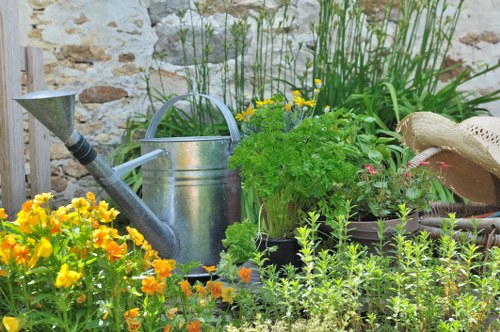
A neat lawn often depends on the edges as much as the main cut. Strimming and edging can sharpen the outline where grass meets borders, patios, driveways or fences, creating a cleaner frame for the whole garden. This is especially useful where the grass has spread into uneven ground or where the boundary between lawn and planting area has become blurred. Well-finished edges make even a modest lawn look more deliberate and easier to keep under control over time.
Where the site allows it, we can use edging work to give structure to the lawn without making it look overcut. The right level of finish varies from garden to garden. Some people prefer a crisp, formal edge; others want a softer but still tidy line that keeps mowing practical. In either case, the purpose is to make future mowing easier and reduce the chance of grass creeping into the wrong places between visits. Lawn mowing becomes more effective when the edges are kept in step with the main cut.
- Clearer separation between grass, borders and paved areas
- Less build-up of rough growth at the boundary of the lawn
- A more orderly look without unnecessary disturbance to planting
- Better long-term upkeep where regular mowing is planned
Managing Longer Grass and Overgrown Lawns
Not every lawn starts in prime condition. Some gardens need longer grass reduced gradually rather than cut hard in one visit. That matters because overgrown lawns can be stressed by being taken down too severely, particularly if the grass is dry, weak or very uneven. In those cases, mowing is approached with care so the turf is not shocked more than necessary. A sensible reduction can improve appearance while leaving space for recovery and follow-up maintenance.
Longer grass may also hide debris, uneven ground or features that are not obvious at a glance. A careful cut helps reveal what the lawn needs next. In some situations, the best result comes from a staged approach: bring the grass down to a manageable level, then return to normal mowing once the surface is easier to work with. Where the surrounding garden also needs attention, a related service such as garden clearance can help deal with loose cuttings, debris or other neglected material before the lawn work continues.
We keep the process practical. The aim is not to force every lawn into the same routine, but to cut it in a way that suits its current condition and the standard of finish you want. That may mean a lighter first pass, a more thorough tidy on the next visit, or a combination of grass cutting and wider garden care. When handled this way, the lawn has a better chance of looking improved rather than simply scalped.
Seasonal Mowing and Ongoing Garden Presentation

Grass growth changes through the year, so mowing needs to respond to the season rather than follow a rigid pattern. During faster growing periods, lawns usually need more frequent attention to keep the finish even and stop the grass from running ahead of the schedule. At quieter times, the emphasis may shift to preserving the lawn’s condition and keeping the garden presentable with less disturbance. The service can be arranged around that seasonal variation so the lawn remains under control in a way that makes sense.
Ongoing mowing is often the simplest way to preserve the overall appearance of a property. It stops the lawn becoming an obvious problem and makes other outside features easier to enjoy. A well-kept lawn also gives shape to planting beds, hard surfaces and access routes. If the wider garden needs more than grass cutting, a service such as services overview can help you see how mowing fits into the bigger picture of outdoor care without tying you to unnecessary work.
For many customers, the value of regular mowing is consistency. One visit may tidy the garden, but a sensible pattern of follow-up keeps it that way. This is particularly useful where the lawn sits at the front of the property and forms part of the first impression, or where a family garden needs to stay usable with minimal fuss. If you would like the lawn kept on a dependable cycle, it is sensible to ask for a quotation and outline the kind of finish you want.
Supporting Services Around the Lawn
Mowing often works best when it is matched with other practical garden tasks rather than treated in isolation. A lawn may benefit from hedge trimming where overhang reduces light or creates a cramped edge, and some spaces look better when the surrounding planting and structure are brought back into proportion. We can support a tidy lawn with related work that keeps the whole area coherent, especially when grass cutting alone would leave the site feeling only partly resolved.
If the garden needs stronger structural changes, mowing can sit alongside broader outdoor improvement work such as landscaping or landscape gardening. These services are not the same as a standard cut, but they do connect naturally where the layout, surfacing or planting scheme affects how the lawn is used and maintained. A clear sequence helps: first manage the grass, then consider whether the wider setting needs reshaping, repair or a more deliberate design.
Choosing the right level of work
The best arrangement depends on what is actually needed. A small, tidy lawn may only need mowing and edging. A larger or more involved site may benefit from a combination of grass cutting, boundary work and additional maintenance to reduce recurring problems. It is usually better to choose a focused package that addresses the real issue than to commission unrelated tasks that do not improve the result. That way, the lawn remains the main feature, supported by the right amount of extra care.
Pricing Factors and Quotation Details
Quotation requests are easier to prepare when the lawn’s basic features are clear. The size of the grassed area, the current length of growth, access to the site and any edging or additional work can all affect how the job is planned. Where a garden includes several sections, different ground levels or tight boundaries, those details matter because they influence the time and equipment needed. A straightforward lawn can be simpler to price than a more irregular one, but each enquiry is best considered on its own merits.
It also helps to be clear about whether you want a one-off cut, a first tidy followed by regular visits, or mowing as part of a larger maintenance visit. That does not mean the process has to be complicated. It simply means the service can be aligned with the real condition of the lawn and the finish you want. For customers comparing options, pricing and quotes is the natural place to review the enquiry step and decide how best to proceed.
If you are arranging mowing for the first time, a few basics are worth thinking through before you send details: how often the lawn has been cut, whether the grass is currently long, and whether you want edging or related garden work included. A clear brief saves time and helps the quotation reflect the actual job rather than a guess. When you are ready, ask for a quotation and share the information that describes the lawn as it stands.
Garden Access, Preparation and Practical Arrangements
A mowing visit usually runs more smoothly when access and expectations are settled in advance. If the lawn is behind locked gates, shared access points or narrow side passages, those details affect how the work is planned. Likewise, it helps to know whether ornaments, toys or moveable items need to be out of the way before the cut starts. These are simple practical matters, but they make a noticeable difference to how efficiently the lawn can be tackled and how neatly the final finish is achieved.
It is also useful to say whether you want clippings left, collected or dealt with in another agreed way. Different gardens call for different approaches, especially where the lawn is dense or where the customer wants a very clean finish after cutting. If there is also a need for hedge trimming or tree work, it is sensible to consider whether those tasks should happen before or after the mowing so the garden is completed in the most efficient order. Related services such as hedge trimming can be discussed alongside lawn care where that would improve the outcome.
We keep arrangements simple and focused on the result. A brief description of the site, the access and the type of finish you want is usually enough to begin. From there, the service can be shaped around the lawn rather than forcing the lawn to fit a fixed template. If the space is being maintained over time, a consistent approach to access and scheduling helps the garden stay orderly with less disruption.
When the Lawn Needs More Than a Cut
Some lawns are affected by wider garden conditions that mowing alone cannot solve. Areas with poor light, compacted soil, persistent debris or surrounding growth may need a broader response so the grass can be kept in better shape. In those cases, lawn mowing still plays a central role, but it works best when the rest of the garden is considered too. The service can be part of a more rounded plan that makes the whole outdoor space easier to manage.
Where trees or larger plants are creating an awkward environment for the lawn, it may be worth looking at related work such as tree lopping and removal if that is appropriate to the condition of the site. Similarly, if the whole garden needs refreshing, a more design-led approach through landscaping may be more suitable than repeated remedial cutting alone. The important point is that mowing should support the overall use of the garden, not fight against problems that sit outside the grass itself.
In practical terms, we help customers decide whether they need straightforward cutting, a combination of services or a staged plan that starts with the lawn and expands from there. That judgement matters because it avoids unnecessary work and keeps the focus on what will genuinely improve the space. If the lawn is part of a garden that has drifted out of routine care, getting the order right can make the difference between a temporary tidy and a lasting improvement.
About Erith
Erith is a riverside town in the London Borough of Bexley, set on the south bank of the River Thames in south-east London. Its historic core developed around the river crossing and the older settlement along Erith High Street, while later growth spread inland with rail connections and suburban development. The town’s relationship with the Thames remains one of its defining features: the riverside frontage, open skies and industrial heritage give the area a character that differs from nearby inland districts. Erith has long been associated with trade, transport and local services, and that history is still visible in the mix of older buildings, newer housing and working riverside land. Erith also has a varied public landscape. Erith Pier is a well-known structure on the waterfront, and the nearby open space along the river provides a broad sense of the town’s setting. The area includes parks, residential streets and local centres that reflect successive phases of development, from Victorian expansion to later twentieth-century rebuilding and regeneration. St John’s Church and other historic references around the town offer reminders of older Erith, while the modern townscape includes shopping streets, community facilities and transport links that connect the area to the wider borough and the capital. The result is a place where the river, transport routes and local neighbourhoods all play a part in everyday life.
Garden Work Planned Around Your Lawn
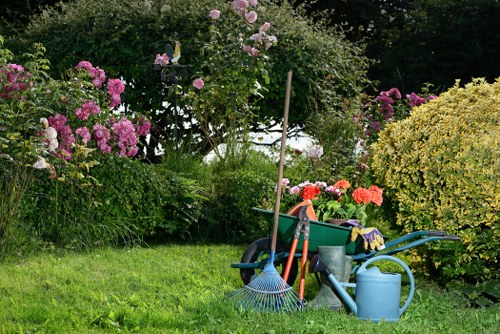
When mowing is part of a wider plan, the benefit is usually in the order and consistency of the work. A lawn can be cut neatly, but if the surrounding areas are left unmanaged, the effect may not last long. For that reason, we often look at the lawn alongside other garden tasks that support a cleaner overall appearance. The right mix may include tidying boundaries, maintaining hedges, managing growth around paths, or bringing neglected sections back to a manageable state.
If you want to compare your options before proceeding, it is sensible to review the most relevant pages and then decide what combination suits the garden. A service such as about us can help you understand the broader company approach, while contact us is the natural place to request a quotation once you know the kind of mowing support you need. Keep the description of the job simple, mention the lawn’s condition and say whether you want one-off or ongoing care.
Whether the lawn needs a routine cut, a tidier edge or a more involved first visit, the aim is always the same: make the garden easier to use and easier to keep in shape. If you are ready to move forward, ask for a quotation today and outline the service you want for your lawn in Erith.