Affordable gardeners DA8 for Erith High Street homes
If you live near Erith High Street, you already know the garden can become one of those jobs that quietly grows arms and legs. A few weeds by the fence, a hedge that is suddenly a bit too confident, the lawn going patchy after a wet spell, and before long the whole space feels harder to manage than it should. That is exactly where Affordable gardeners DA8 for Erith High Street homes come in: not as a luxury, but as a sensible way to keep an outdoor space tidy, safe, and usable without overspending.
This guide breaks down what affordable local gardening support usually includes, how to judge value properly, where people often waste money, and how to get dependable results for a terraced front garden, a small back yard, or a shared space off the High Street. If you are weighing up one-off help versus ongoing maintenance, or just want a clearer idea of what you should expect for the money, you are in the right place. Let's keep it practical.
Table of Contents
- Why Affordable gardeners DA8 for Erith High Street homes Matters
- How Affordable gardeners DA8 for Erith High Street homes Works
- Key Benefits and Practical Advantages
- Who This Is For and When It Makes Sense
- Step-by-Step Guidance
- Expert Tips for Better Results
- Common Mistakes to Avoid
- Tools, Resources and Recommendations
- Law, Compliance, Standards, or Best Practice
- Options, Methods, or Comparison Table
- Case Study or Real-World Example
- Practical Checklist
- Conclusion
- Frequently Asked Questions
Why Affordable gardeners DA8 for Erith High Street homes Matters
Gardens around busy residential streets often face the same mix of pressures: limited time, exposure to traffic dust, compact plots, and the sort of planting that either thrives or becomes a bit unruly very quickly. Affordable gardening help matters because most homeowners do not need grand redesigns. They need the basics done well, regularly, and at a price that does not make them wince every time the invoice lands.
For homes near Erith High Street, practicality usually wins over perfection. You want a front garden that looks cared for, a back garden that is safe to walk through, and boundaries that do not spill over into the pavement or neighbouring property. A good local gardener can help keep all that under control while spotting problems early. That might be a lawn thinning out, a hedge growing into a path, or a bed that is quietly being taken over by bindweed. Catch it early and it is a small job. Leave it too long and, well, the bill starts to look less friendly.
There is also a real comfort factor. A tidy outdoor space changes how a home feels. You notice it on the way out the door. You notice it when the evening light hits the plants and the whole place looks calmer. It is not just about appearance either. Regular maintenance can reduce slip risks, prevent blocked access, and keep your property easier to manage through the wetter months. Nothing dramatic. Just sensible, steady care.
How Affordable gardeners DA8 for Erith High Street homes Works
Affordable gardening support usually works in one of three ways: one-off visits, scheduled maintenance, or small project work. The right option depends on how much help you need and how quickly the garden drifts out of shape. A front patch that only needs seasonal tidying is very different from a back garden that needs recurring mowing, hedge cutting, and waste removal.
In most cases, the process starts with a brief look at the space and a discussion about priorities. A homeowner might say, "The lawn is manageable but the borders need sorting," or "I need the whole lot brought back under control before spring." That matters, because affordability is not only about the lowest price. It is about focusing labour where it will actually make a visible difference.
Here is the basic flow many local jobs follow:
- Assessment: The gardener checks the size, condition, access, and likely time needed.
- Scope: You agree what will be done now and what can wait.
- Quote: Pricing should reflect labour, materials if needed, and waste handling.
- Work: The garden is maintained, cleared, or improved in line with the plan.
- Follow-up: You decide whether a repeat visit, seasonal schedule, or extra work makes sense.
That simple structure helps keep costs under control. It also stops the common problem where a "quick tidy-up" turns into a vague all-day job because nobody defined the work properly in the first place. To be fair, that happens more often than people think.
Key Benefits and Practical Advantages
There are plenty of reasons local homeowners look for affordable gardening help, but the strongest ones are usually the most straightforward. You save time, yes. But you also reduce stress, prevent small issues from becoming bigger ones, and keep the property looking cared for without taking over your weekends.
Some of the main advantages include:
- Better value for routine jobs: Simple maintenance tasks are often far more cost-effective than emergency catch-up work.
- Cleaner kerb appeal: A tidy front garden makes a home look looked after, even if the space is small.
- Safer access: Overgrown paths, low branches, and slippery patches can become awkward fast.
- Less heavy work for you: If you are not keen on lifting, digging, or wrestling with stubborn roots, fair enough.
- Healthier plants and lawn care: Regular attention usually beats occasional rescue jobs.
- More usable outdoor space: Even a modest yard feels bigger when it is organised well.
There is a practical side that people sometimes miss. Affordable gardening is not just about cutting costs. It is about matching the level of service to the level of need. A small paved garden might only need weed removal, sweeping, and seasonal pruning. A larger plot may need mowing, edging, and occasional clearance. No drama. Just the right work, done at the right pace.
Expert summary: the cheapest option is not always the best value, and the most expensive option is not always the most thorough. The sweet spot is a gardener who understands what matters, quotes clearly, and works efficiently without fuss.
Who This Is For and When It Makes Sense
This kind of service suits a wide range of homeowners and landlords in DA8, especially where gardens are modest in size but still need regular attention. It is particularly useful if you live on or near a busy road and do not have the time or equipment to stay on top of the basics.
You may benefit from affordable gardening support if you:
- have a front garden that needs neat, frequent upkeep
- struggle to keep up with mowing, trimming, or weeding
- want a garden ready for visitors, tenants, or a sale
- have limited storage for garden tools
- prefer a tidy outdoor space but do not want a big landscaping project
- need help after a period of neglect, illness, travel, or a busy season
It also makes sense if you are trying to avoid the expensive pattern of "do nothing, then panic, then pay more." That cycle is common. A couple of missed months can turn a manageable garden into a half-day restoration job. And nobody really enjoys paying extra because nature got there first.
For some people, the need is seasonal. For others, it is year-round. In spring and summer, mowing and border care often take centre stage. In autumn, leaf clearing, hedge work, and cutting back become more important. Winter is usually quieter, but that is often the best time to sort structural tidying or plan improvements. Gardens do not switch off, sadly.
Step-by-Step Guidance
If you want affordable results, it helps to approach the job in a sensible order. A rushed request for "general garden help" can work, but a clear brief usually saves money and gives better results. Here is a simple process that keeps things tidy on both sides.
1. Walk the garden and note the problem areas
Start with the obvious stuff: overgrown edges, weeds, tired beds, patchy lawn, broken pots, blocked paths, or branches leaning too far. You do not need a perfect plan. Just a clear view of what is bothering you most.
2. Decide what must be done now and what can wait
Not everything needs attention at once. For example, a hedge cut and a lawn tidy might be enough for a property that just needs to look presentable. Replacing plants or reworking beds can wait until later, which keeps the first visit affordable.
3. Ask for a defined scope
Good quotes are easier to compare when they spell out the tasks. Mowing, edging, pruning, weed removal, waste clearance, and replanting all cost differently. If the scope is fuzzy, the price will probably be too.
4. Check access and waste handling
On a High Street property, access can be tight. Narrow side passages, shared entrances, or limited parking can affect how quickly a job gets done. Waste removal matters too. A tidy job should leave the garden usable, not with a pile of clippings sitting in the corner for three weeks.
5. Agree frequency
One-off work is fine if the garden is in decent shape. But if growth is fast or the property is exposed, a regular visit may cost less overall than repeated rescue jobs. That is the part many people overlook.
6. Review after the first visit
After the initial work, look at what actually changed. Did the gardener focus on the right things? Does the garden now feel easy to maintain? If yes, you have probably found the right level of support. If not, adjust the plan.
Expert Tips for Better Results
Truth be told, the best savings often come from planning rather than bargaining. A gardener can do more in less time when the job is clearly prepared and the priorities are realistic. That does not mean doing the work yourself first, by the way. Sometimes it just means being specific.
A few practical tips:
- Group small jobs together: If you need hedge trimming, weeding, and a quick tidy, doing them in one visit is often more efficient.
- Choose the right season: Heavy pruning or major clearance may be easier when the garden is less actively growing.
- Keep access clear: Moving pots, toys, or bins out of the way can save time and reduce labour.
- Use regular maintenance for problem areas: Small beds and borders can be kept under control more cheaply than restored later.
- Ask for the visible wins first: If budget is tight, focus on what changes the appearance and usability fastest.
One local detail worth remembering: gardens near busier roads can collect dust and debris surprisingly quickly. A quick sweep or wash-down of paths may seem minor, but it makes the whole place feel fresher. You notice it when the evening air is still and the patio looks properly clean, not just "less bad".
Another simple tip is to think in layers. A garden does not have to be perfect on day one. Start with the structure, then improve the details. That approach tends to be kinder to your budget and much less overwhelming. Small win, then another small win. That usually works better than trying to do everything at once.
Common Mistakes to Avoid
There are a few traps people fall into when searching for affordable garden help. None of them are dramatic, but they can quietly cost money or leave you disappointed.
- Choosing only by price: A very low quote can hide vague scope, rushed work, or extra charges later.
- Not defining the garden's priority areas: If the front still looks scruffy after the visit, but the back is immaculate, you may have paid for the wrong outcome.
- Ignoring waste removal: Clippings and cuttings can become a second job if they are not included or planned for.
- Waiting too long: The longer growth is left, the more labour is needed. Simple enough, but easy to ignore.
- Forgetting ongoing upkeep: One tidy-up is useful, yet many gardens need light regular care to stay affordable over time.
Another mistake is not asking how the work will be completed. For example, some homeowners assume a hedge will be reduced to a particular height, but the gardener may have planned only a light trim. That kind of mismatch is avoidable. A five-minute conversation saves a lot of shrugging later on.
Useful rule of thumb: affordable gardening is about clarity. When the task, timing, and finish level are clearly agreed, the job is usually smoother, quicker, and better value.
Tools, Resources and Recommendations
You do not need to be a gardening expert to make smarter decisions, but a little knowledge helps. Knowing the basic tools and job types makes it easier to compare quotes and understand what you are paying for.
| Service or Task | What It Usually Covers | When It Helps Most | Budget-Friendly Note |
|---|---|---|---|
| Lawn mowing | Cutting grass, edging, and basic tidy-up | Fast-growing lawns, front gardens, regular maintenance | Best value when booked regularly rather than left too long |
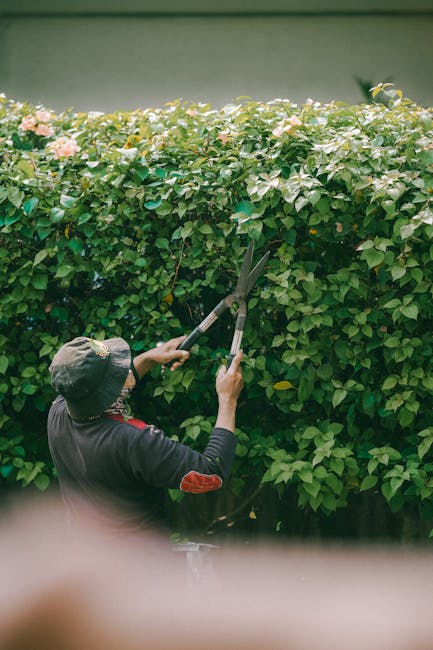
| Hedge trimming | Shaping, reduction, and cutting back overgrowth | Boundaries, privacy screens, overhanging growth | Cheaper when hedges are maintained before they become heavy work |
| Garden clearance | Removing weeds, debris, dead growth, and bulky waste | Neglected gardens, move-in/move-out situations, seasonal reset | Can be cost-effective if the goal is a clean start |
| General maintenance | Routine tidying, pruning, weeding, and plant care | Ongoing upkeep for homes with limited time | Often the most economical long-term choice |
| Landscape improvements | Reworking layout, beds, surfaces, or planting | When a garden needs more than upkeep | Usually higher cost, so best approached in stages |
It also helps to know the difference between maintenance and improvement. Maintenance keeps things in order. Improvement changes the space. That sounds obvious, but plenty of jobs get blurred together. If you ask for a full makeover and expect maintenance pricing, the numbers will not line up. No surprise there.
If you are comparing services, look at whether the provider offers related support such as garden maintenance, lawn mowing, and hedge trimming. Those three often cover a large part of what most Erith homeowners actually need. For bigger jobs, a page on garden clearance can be useful when the outdoor space has become cluttered or overgrown.
For homeowners who want a fuller view of available help, the services overview page is a sensible place to compare options without guessing which task belongs where. And if you want to understand how pricing is usually approached, the pricing and quotes information can help you ask better questions before booking.
Law, Compliance, Standards, or Best Practice
Most garden work for private homes is straightforward, but there are still a few standards worth keeping in mind. A professional approach should always consider safety, neighbourly boundaries, and responsible waste handling. Nothing flashy. Just the basics done properly.
For example, overhanging branches, hedges near paths, and work close to walls or fences should be handled carefully so there is no avoidable damage. If tree work is involved, especially anything significant, it is sensible to use a proper specialist rather than treating it like routine hedge cutting. Larger or riskier jobs may fall under services such as tree lopping and removal, and those should be approached with care.
Health and safety matters too. Good practice includes using the right equipment, wearing suitable protection where necessary, and not leaving tools or cuttings where somebody could trip. If you are hiring someone, it is reasonable to ask how they manage safety on site and what happens if access is awkward. A tidy work method is usually a good sign.
Insurance is another sensible point. You may not think about it until something goes wrong, which, let's face it, is a classic human habit. Checking that a gardener has suitable insurance and follows clear safety procedures can give you a lot more confidence, especially if there are steps, narrow entrances, or delicate surfaces involved. If you want more detail, the site's insurance and safety information is worth reading alongside the health and safety policy.
Waste should also be handled responsibly. Grass cuttings, prunings, and cleared debris need to be disposed of in a lawful and tidy way. A gardener who thinks ahead about recycling and disposal usually saves you hassle later. The recycling and sustainability page offers a good sense of that approach.
Best practice in plain English: clear scope, safe working, tidy finish, responsible waste handling, and no surprises. That is what good local service should look like.
Options, Methods, or Comparison Table
Not every garden needs the same kind of help. Some homeowners want a quick seasonal reset. Others need repeat support because the space gets wild again in no time. The table below shows the practical differences in a simple way.
| Option | Best For | Pros | Trade-Offs |
|---|---|---|---|
| One-off tidy-up | Neglected gardens, pre-sale prep, event prep | Fast visual improvement, easy to budget for | May not stay tidy for long without follow-up |
| Regular maintenance | Busy households, small front gardens, steady upkeep | Often the best long-term value, less stress | Requires a recurring commitment |
| Clearance then maintenance | Overgrown plots that need a reset first | Brings the space back under control, then keeps it there | More expensive at the start, but can be efficient overall |
| Improvement project | People who want a more usable or attractive layout | Can transform the garden properly | Usually costs more than routine care |
For many DA8 homes, the smartest choice is actually a blend: a stronger first visit to reset things, followed by lighter maintenance visits. That approach tends to feel affordable because it spreads the work out. It also gives you a chance to see whether the gardener's style suits your property before committing further.
Case Study or Real-World Example
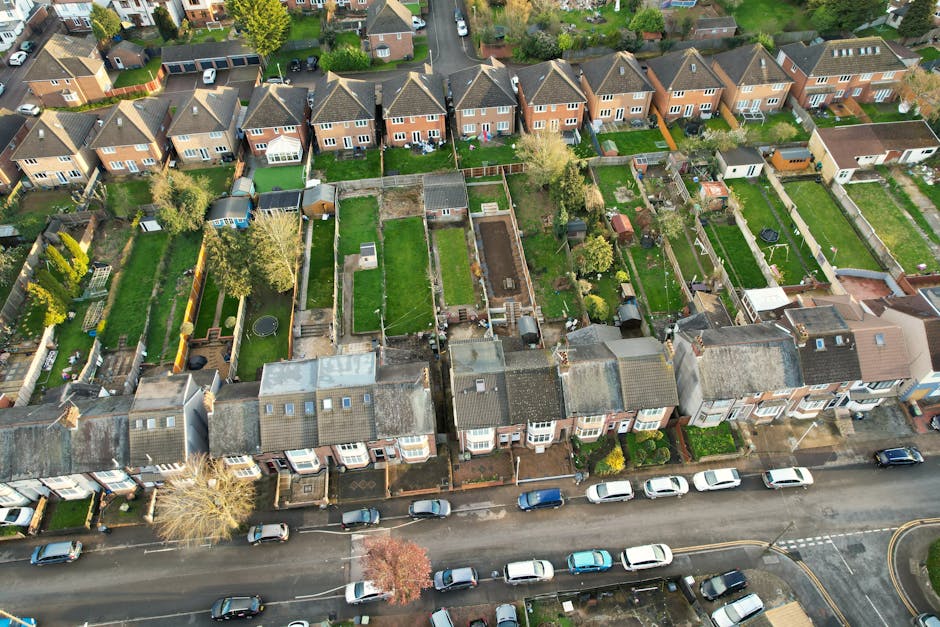
Imagine a typical Erith High Street home with a narrow front garden, a modest back yard, and a hedge along one side that has not been touched since last summer. The owner is busy, the grass has got uneven, and weeds are pushing through the paving. Nothing extreme. Just the sort of garden that starts looking tired without anyone meaning for it to happen.
Instead of booking a full redesign, the owner asks for a focused visit: lawn cut, edges tidied, hedge trimmed, weeds removed from the path, and all waste cleared away. The gardener does not spend time on decorative extras. The work is aimed at the things that change the look and use of the space most quickly.
After that first visit, the garden is easier to walk through, the front looks far more presentable, and the owner can see what needs light maintenance next. A small monthly or bi-monthly visit then keeps it from slipping back. That is the real value, honestly. Not glamour. Control.
We have seen the same pattern many times in similar local homes: once the garden is reset, the owner starts using it again. A chair comes out. A planter gets repotted. The place breathes a bit. It is a small thing, but it changes how the home feels on an ordinary Tuesday afternoon.
Practical Checklist
Use this checklist before you book any affordable gardening help for your DA8 property:
- List the top three problems in the garden.
- Decide whether you need a one-off visit or recurring maintenance.
- Measure or roughly estimate the size of the work area.
- Note access issues such as gates, steps, side passages, or parking restrictions.
- Separate essential jobs from nice-to-have extras.
- Ask whether waste removal is included.
- Check whether hedge, lawn, or clearance work is priced separately.
- Confirm the expected finish level so there is no confusion.
- Ask about safety practices and insurance where relevant.
- Review the plan after the first visit and adjust if needed.
If you can answer those points clearly, you are already in a much better position than most people who simply ask for "a general tidy-up" and hope for the best. Hope is lovely. But not a pricing strategy.
Conclusion
Affordable gardening for Erith High Street homes is really about getting the right work done at the right time, without turning a manageable outdoor space into an ongoing expense. When the scope is clear, the priorities are sensible, and the garden is maintained before it gets out of hand, you usually get far better value.
Whether you need a one-off reset, regular lawn care, hedge trimming, or help clearing a neglected corner, the best results come from practical choices and simple expectations. Keep the focus on what changes the garden's usefulness and appearance most. That is where the money tends to go furthest.
If your garden has been quietly asking for attention for a while, that is normal. It happens. The good news is that even a small amount of well-planned work can make the whole place feel lighter, tidier, and much easier to live with.
Get a free quote today and see how much you can save.
Frequently Asked Questions
What do affordable gardeners in DA8 usually include?
They typically cover practical maintenance such as mowing, hedge trimming, weeding, pruning, tidying borders, and clearing away cuttings. Some also handle garden clearance or small improvements. The exact scope should always be agreed in advance so you know what is included.
Are affordable gardeners a good option for small Erith High Street gardens?
Yes, very often. Small gardens can be expensive only when they are treated like bigger projects than they need to be. A simple, regular maintenance plan is usually the most cost-effective approach for compact front gardens, back yards, and paved spaces.
How often should a garden near Erith High Street be maintained?
It depends on the garden, but many homes benefit from regular attention during spring and summer, then lighter seasonal care later in the year. Fast-growing hedges or lawns may need more frequent visits, while low-maintenance plots can be checked less often.
Is one-off garden clearance cheaper than regular maintenance?
Not always. One-off clearance can be very useful for a neglected garden, but if the space keeps getting overgrown, regular maintenance usually works out better over time. A reset followed by upkeep is often the best-value mix.
What should I ask before booking a gardener in DA8?
Ask what is included, how waste is handled, whether tools are provided, what the expected finish level is, and whether the quote covers labour only or labour plus disposal. It is also sensible to ask about insurance and safety practices.
Do affordable gardeners handle hedge trimming and lawn mowing together?
Many do, and combining those jobs can be efficient. If the hedge, lawn, and borders are all due at the same time, it often makes sense to complete them in a single visit rather than splitting the work up.
What makes a quote good value rather than just cheap?
Good value usually means the quote is clear, the work is properly scoped, waste is dealt with, and the result leaves the garden easier to maintain. Cheap can be fine, but only if it still solves the problem properly. Otherwise it is just a small bill for a half-finished job.
Can a gardener help if my garden has been neglected for months?
Yes. Neglected gardens are common, and a good first visit can often bring the space back under control. The key is to be honest about the condition so the work can be quoted properly. That keeps surprises to a minimum.
Do I need a landscape gardener or a maintenance gardener?
If you mainly need cutting, tidying, weeding, or routine care, maintenance is usually the better fit. If you want the layout, surfaces, or planting changed more substantially, then a landscape or landscaping service may be more appropriate.
How can I keep costs down without cutting corners?
Be specific about priorities, combine tasks where possible, keep access clear, and book maintenance before the garden becomes heavily overgrown. Those simple steps often reduce labour time and help you get better value from each visit.
What if I only need help a few times a year?
That can still make sense. A seasonal tidy-up in spring or autumn may be enough for some homes. The best schedule depends on growth rate, how much use you make of the space, and how much care you want to take on yourself.
Can I check other services before deciding?
Yes, and it is often helpful. Looking through related pages such as garden maintenance, services overview, and about us can give you a better feel for what is offered and how the work is approached.
What is the easiest first step if my garden feels overwhelming?
Start by listing the worst areas and deciding what would make the biggest visible difference first. You do not need to solve everything in one go. A small, focused start is often enough to get the garden moving in the right direction again.